
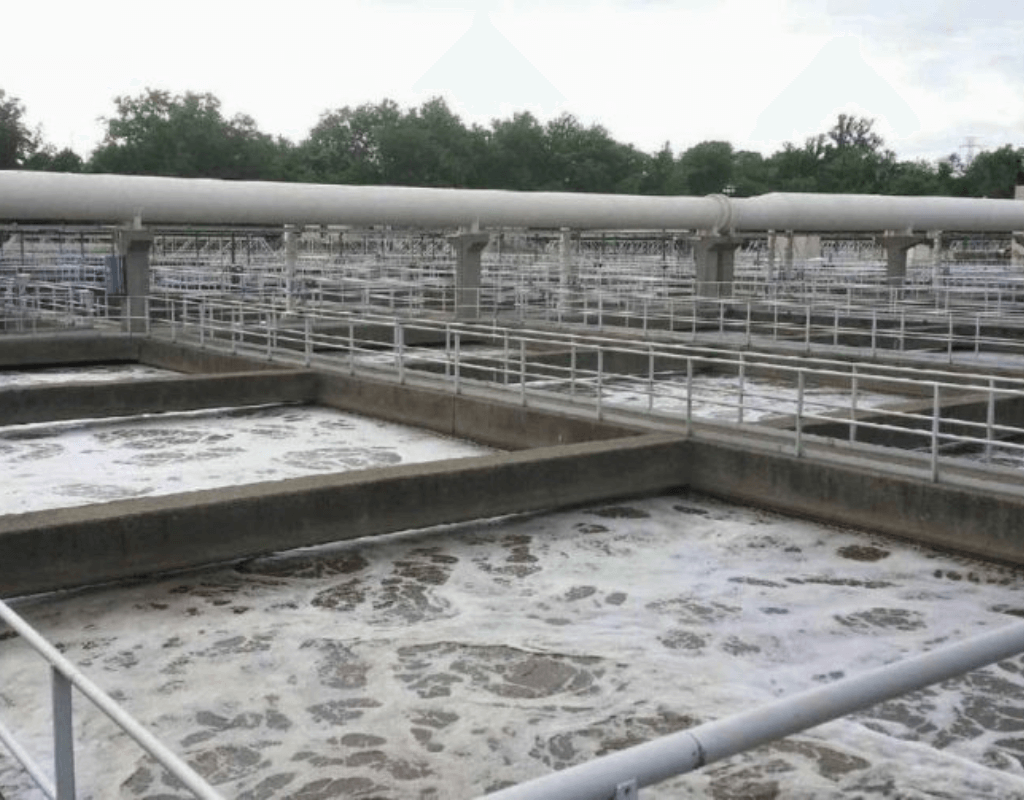
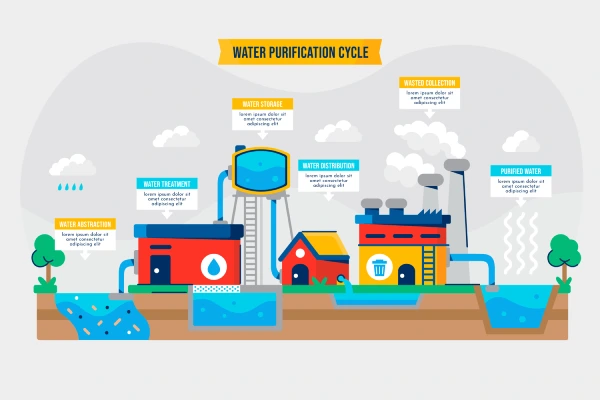
What Actually is a Wastewater Treatment System?
Think of a wastewater treatment system as a massive, high-tech filter. Its job is simple: take water that has been used and dirtied, strip out the pollutants, organic matter, and contaminants, and clean it up. Whether that water is released back into nature or reused in your garden, the goal is to prevent pollution and save every drop we can.
We don’t just guess; we use multi-stage processes—preliminary, primary, secondary, and tertiary—to make sure the water leaving your facility is safe.
Sewage Treatment Plants (STP): Handling the Load
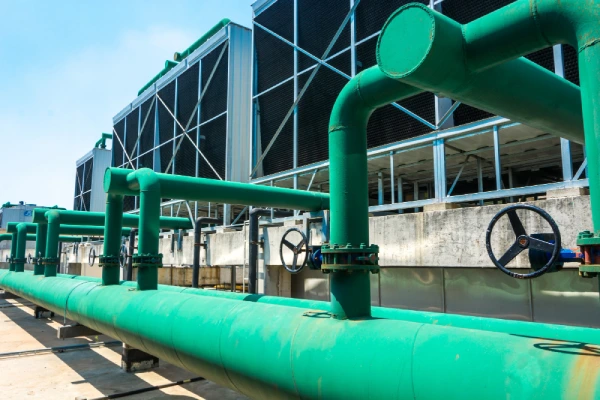
How do our STPs work?
-
Preliminary Treatment
First, we use screens and grit chambers to catch the big stuff—rags, plastic, solids—that would wreck our equipment downstream.
-
Primary Treatment
Gravity does the work here. We let solids settle to the bottom as sludge while oils and grease float to the top to be skimmed off.
-
Secondary Treatment
This is where biology meets engineering. We use aerobic bacteria and microorganisms to break down the dissolved organic matter.
-
Tertiary Treatment
Consider this the "polish." We use advanced filtration to make the water crystal clear, so it can actually be reused.
-
Sludge Treatment
We handle the leftovers separately, dewatering and drying them so they can be disposed of safely.
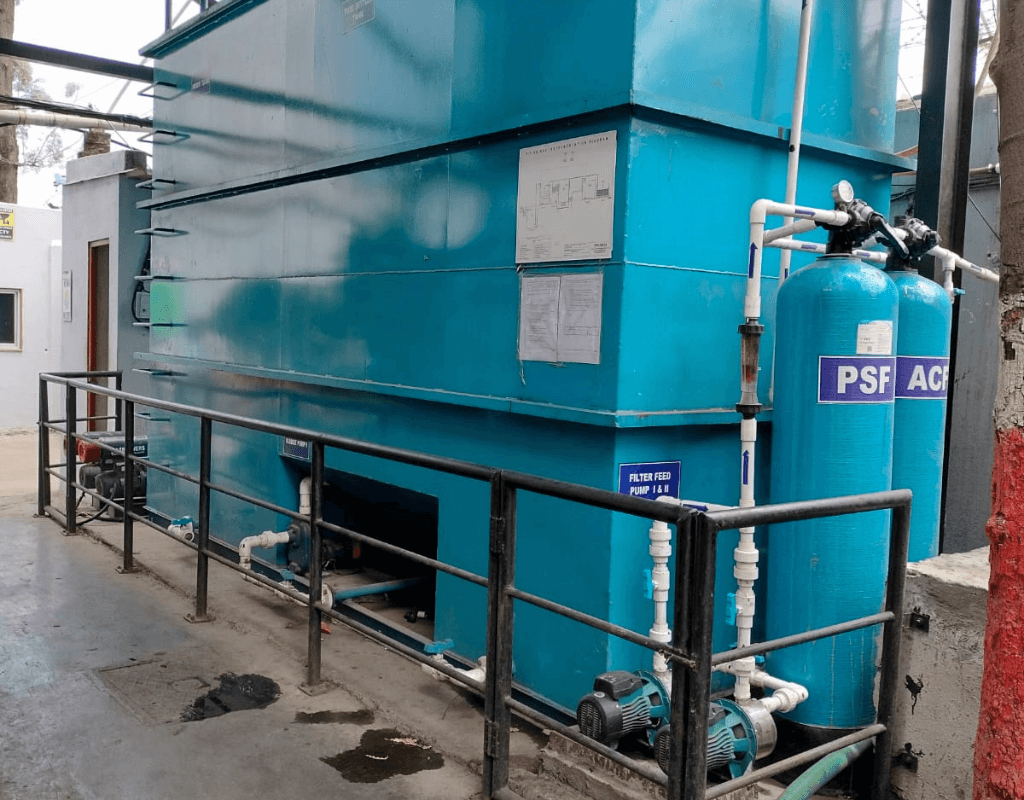
Customized Effluent Treatment Plants (ETP) for Goa’s Industries
Zero Liquid Discharge (ZLD): The Gold Standard
The process is sophisticated:
- We collect the contaminated water and pre-treat it.
- We use biological processes and membrane filtration (like Reverse Osmosis) to purify it.
- We concentrate the remaining waste and evaporate it.
- Finally, crystallization turns the leftover brine into solid crystals for easy disposal.
The result? The purified water goes right back into your facility, drastically cutting your freshwater intake.
Why Partner with Wateria Technovation?
Frequently Asked Questions (FAQ)
Honestly? Yes. Wastewater systems are complex machinery. Regular maintenance prevents breakdowns, ensures you meet water quality standards, and stops you from getting hit with non-compliance penalties from the Pollution Control Board. It’s cheaper to maintain it than to replace it.
Think of it this way: STPs are for domestic waste (toilets, kitchens, sinks) from homes and hotels. ETPs are for industrial waste—chemicals, manufacturing byproducts, and toxic runoff from factories. They require very different approaches.
Absolutely. With the right tertiary treatment or Reverse Osmosis, the water coming out of your plant can be used for gardening, cooling towers, or flushing toilets. It’s a great way to save money on water bills.
We help with that, too. We provide consultation for obtaining Consent to Establish (CTE) and Consent to Operate (CTO). We also help set up monitoring systems so you are always compliant.
If you are in power generation, textiles, chemicals, or mining—especially in water-scarce areas—ZLD is almost mandatory. It’s the best way to ensure sustainability while staying operational.